Before a single brick is laid or a column is cast, the ground beneath your building has a story to tell. A proper soil test for building in Bangladesh is not a bureaucratic formality it is the scientific foundation upon which every safe, durable, and cost-efficient structure is built. At Green Architect, we understand this deeply, and we are committed to helping our clients access the right soil testing expertise before construction begins
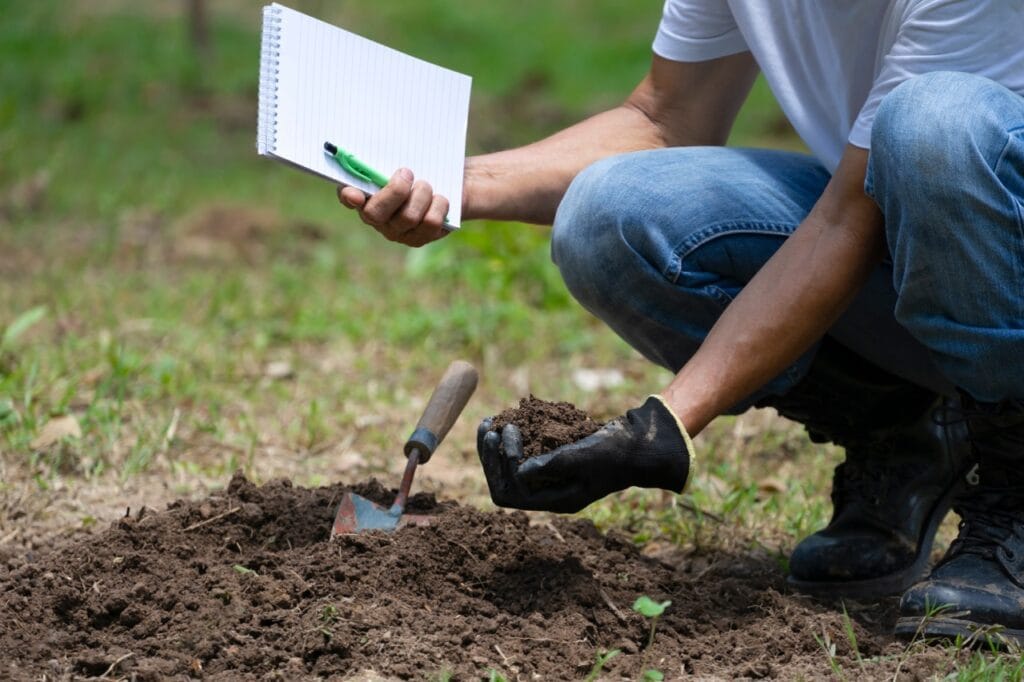
Bangladesh is a deltaic nation, shaped by centuries of river activity and sedimentation. This means the soil composition beneath any plot of land whether in Dhaka, Chattogram, Sylhet, or a rural district can vary dramatically from one location to the next. Soft alluvial clay, loose silt, waterlogged layers, and variable groundwater depths are common across the country, especially in low-lying urban areas like Mirpur, Demra, and Keraniganj.
A soil test for building in Bangladesh determines the load-bearing capacity of the ground, identifies weak or compressible layers beneath the surface, measures groundwater depth, and classifies soil type. Without this information, engineers are essentially designing a foundation in the dark. The consequences differential settlement, cracked structures, foundation failure can be catastrophic and irreversible.
Beyond structural safety, a soil test report for building construction in Bangladesh is increasingly required by RAJUK and local authorities before construction permits are granted. Financial institutions financing construction projects also require it as part of their due diligence. Simply put, skipping the soil test is not a cost-saving decision it is a liability.
Understanding what goes into a top-rated soil test for building in Bangladesh helps property owners and developers evaluate the quality of the service they are receiving. A comprehensive soil investigation typically includes the following components:
All soil testing in Bangladesh should comply with the Bangladesh National Building Code (BNBC 2020), which sets minimum standards for site investigation and foundation design. A quality soil test company will always reference the relevant soil testing code within their report.
Receiving a soil test report can feel overwhelming if you are not familiar with geotechnical terminology. Here is a simplified guide to interpreting the key soil test results for building that matter most.
The most critical value in any SPT-based soil test example is the N-value — the blow count recorded during the Standard Penetration Test. A higher N-value indicates denser, stronger soil capable of bearing heavier loads. In practical terms:
The report will also indicate the dominant soil type clay, silt, fine sand, or a mixture. Clay-heavy soils, which are common across much of Dhaka, tend to have lower bearing capacities and higher settlement potential. A typical soil test example from a Dhaka plot might reveal soft silty clay down to 12 or 15 metres before reaching a firmer sand or gravel layer — information that is absolutely critical for pile design.
Your structural engineer uses these soil test results for building in combination with the total load of your proposed structure to determine the correct foundation type, pile depth, and pile diameter. The soil test report is essentially the conversation between the earth and your engineer.
One of the most frequently asked questions among property owners and developers is about the soil test for building in Bangladesh price. The cost varies based on several factors the number of boreholes required, the depth of investigation, the location of the project, and the scope of laboratory testing involved.
For a small residential plot requiring one or two boreholes at 10 to 15 metres depth, the soil test cost in Bangladesh is generally modest and well within reach for most property owners. For multi-storey commercial or residential buildings requiring deeper investigation and multiple boreholes, the soil test for building in Bangladesh cost rises proportionally. The soil test for building cost in Dhaka may lean higher than other districts due to logistics and urban access constraints.
Regardless of project scale, the soil test for building cost is always a very small fraction of the total construction budget rarely exceeding half a percent. Considering that an incorrectly designed foundation can cost many times more to remediate or may be entirely irreparable this is an investment that pays for itself many times over. When evaluating quotes for soil test for building cost in Bangladesh, always ask for an itemised breakdown covering borehole count, depths, SPT intervals, lab tests, and the final report format.
With the rapid growth of the construction industry, the number of firms offering geotechnical services across Bangladesh has increased significantly. Not all are equal in qualifications, equipment, or reporting standards. Here is what to look for when selecting from the many soil test companies in Bangladesh:
Soil conditions in Bangladesh are shaped by regional geography, and the best soil test companies understand these local variations well. In Dhaka, particularly in low-lying zones, soft clay and loose silt dominate the upper soil profile, often necessitating deep pile foundations. This is why soil test in Bangladesh especially in the capital is treated as an essential early step rather than an optional one.
In Chattogram, parts of Sylhet, and the Chittagong Hill Tracts, firmer soils and rock outcrops are more common, but the hilly terrain introduces slope stability concerns that must also be captured in any soil test report for building construction in Bangladesh. Coastal and riverine districts such as Khulna, Barisal, and Noakhali present additional challenges — high salinity, very shallow groundwater tables, and waterlogged conditions must all be documented to guide safe foundation decisions.
The northeastern regions of the country, which fall within seismic zones, require additional assessment for soil liquefaction potential a specialised analysis not every soil test company in Dhaka or elsewhere is equipped to perform. Always confirm this capability when selecting a provider for projects in earthquake-prone areas.
At Green Architect, soil testing is a core part of our pre-construction advisory process. While we work with trusted third-party geotechnical specialists to carry out the physical testing and laboratory analysis, our role is to ensure you receive the right service, from the right provider, for your specific project.
Here is how we support our clients throughout the soil test process:
This integrated approach sets Green Architect apart. We do not just hand you a report and leave you to figure out the next step. We stay with you from the soil test in Bangladesh all the way through to final construction drawings and project delivery.
A building is only as strong as the ground it stands on. In a country as geologically diverse and rapidly developing as Bangladesh, conducting a thorough, top-rated soil test for building is not optional — it is the most responsible first step any property owner, developer, or engineer can take.
Whether you are researching soil test for building in Bangladesh price, trying to understand soil test results for building, or looking for guidance on selecting a reliable soil test company in Dhaka, the goal is always the same: to build safely, efficiently, and with full confidence in the ground beneath you.
Green Architect is here to make that process smooth, informed, and stress-free. Reach out to our team today and let us guide you through every step from soil test coordination to complete architectural and structural design.
Contact Green Architect today for expert guidance on soil testing and complete building design services.
Phone: 01744 495886 | Email: greeninfo222@gmail.com
Website: greenarchitectbd.com